
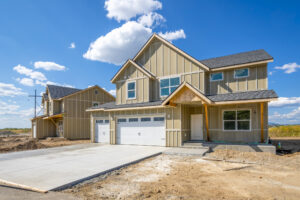
 Investing in single-family rental properties may provide operational simplicity at the start, but the acquisition still needs to meet clear investment criteria. The purchase price may reflect the premium attached to new construction, but owners can offer benefits such as more customization options, improved energy efficiency, and reduced maintenance needs during the first years of ownership. On the other side of the ledger, upgrades can raise the final cost and builder pricing may be relatively firm. Before treating new construction as the preferred option, consider the pros and cons carefully to maximize your return on investment.
Why Consider New Construction for Your Rental Portfolio?
Purchasing new construction as a rental property may offer operational simplicity because the property does not need to be modernized before showing. A newly delivered home can combine present-day design with newer systems in a package that is ready to show. Because the property does not begin with a backlog of deferred upgrades, out-of-pocket expenses are typically minimal during the transition from closing to tenant placement.
If the home is ready to occupy, the owner can direct resources toward tenant placement instead of immediate capital work. An owner can strengthen the property’s rental positioning by choosing functional upgrades and smart home features. For tenants interested in a more connected home, smart thermostats and security systems can make the rental more appealing to prospects who compare technology features across listings.
Top Benefits of Energy-Efficient, Smart Homes for Renters
A newly delivered home can attract renters who want fresh surfaces, new fixtures, and a property without a tenant history. Attracting quality tenants is key to rental success. New construction can incorporate efficiency measures that support lower utility bills and greater environmental sustainability. Newer appliances and HVAC systems can complement those savings and improve overall renter satisfaction.
When first-occupancy appeal matters in the local market, the package can make new construction an appealing choice for rental property investors. Owners should still investigate construction quality because defects hidden at closing can become future maintenance issues.
Even minor construction defects can create outsized inconvenience if they require repeated appointments or affect tenant occupancy. The property can be personalized to a degree, but every upgrade should be tested against its likely effect on rent and tenant demand.
Is New Construction the Right Investment for You in Today’s Market?
Investors looking for a large acquisition discount should account for the more structured pricing common in new developments. Builders manage pricing across an entire community, which often limits how far they are willing to move on an individual home.
Builders may avoid lowering the recorded price in order to preserve consistency across the community and future releases. That does not mean the transaction has no flexibility; it is wise to inquire about current incentives, closing cost assistance, or upgrades that may be available.
Before purchasing a new home as a rental property, weigh the pros and cons carefully. Center the decision on the local rental market, projected tenant demand, while checking that the home’s feature set matches the local tenant profile rather than personal taste. With realistic assumptions and the right renter profile, new construction can deliver strong long-term returns.
Investment analysis is stronger when local rental trends are considered alongside the home’s construction and features. Property investors in Hanahan can draw on the local rental perspective of Real Property Management Groundpoint. We perform market assessments for all potential rental properties, ensuring owners who partner with us have the tools and information they need to make the best investment decisions. For more information about our approach, contact us online.
This content is provided for general informational and educational purposes only and does not constitute financial, legal, tax, or investment advice. Readers should consult with licensed professionals regarding their specific circumstances.
We are pledged to the letter and spirit of U.S. policy for the achievement of equal housing opportunity throughout the Nation. See Equal Housing Opportunity Statement for more information.
